What Is NPWT?
Understanding the system.
Understanding the science.
Negative pressure wound therapy connects a sealed wound dressing to a suction source. This overview explains the components, mechanical principles and system features behind the technology.
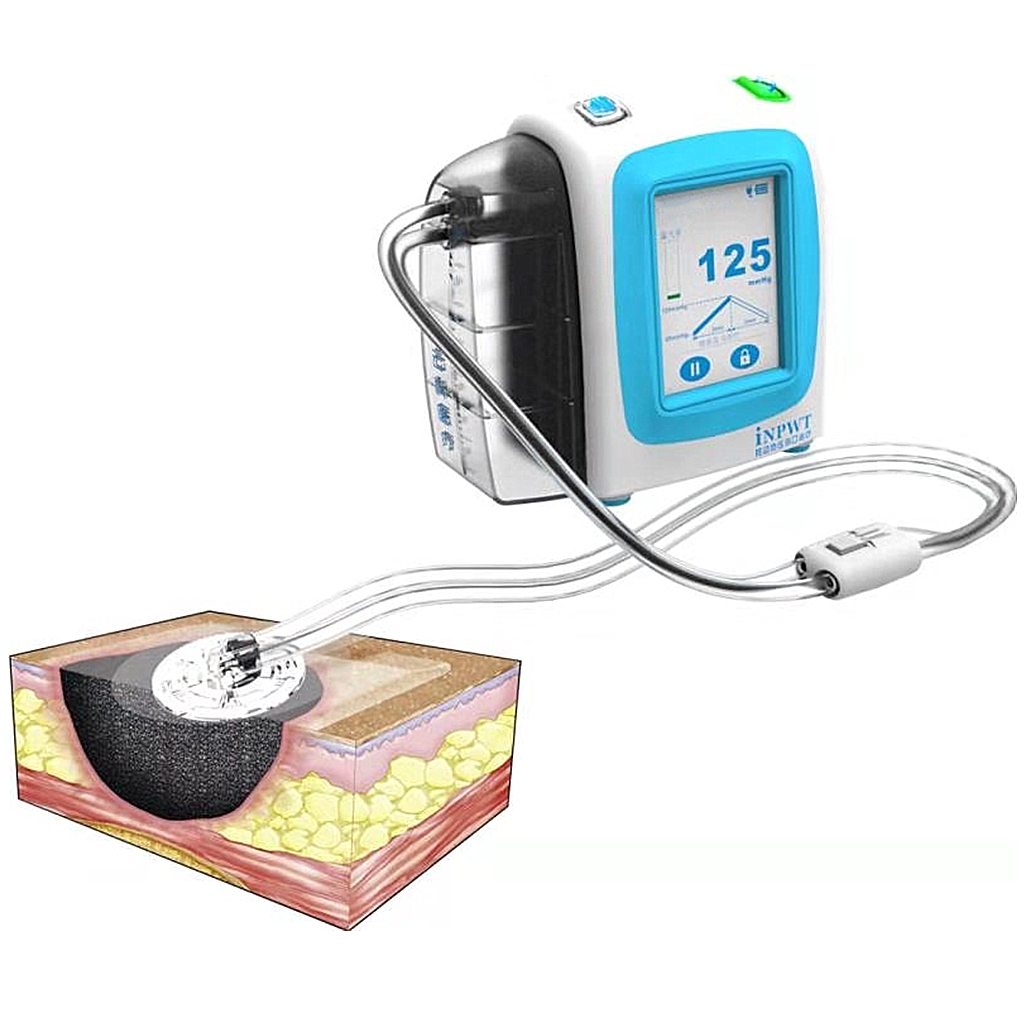
One system. Several connected components.
The suction source, dressing, tubing and fluid collection components must work together as a compatible configuration. [1]
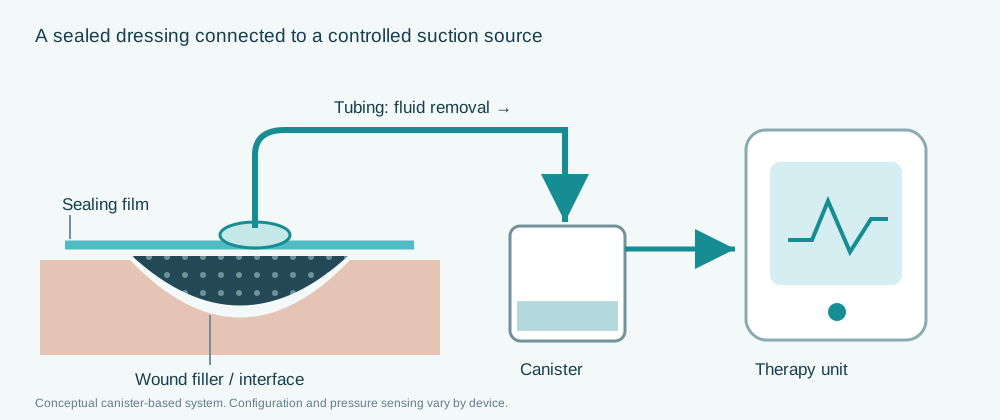
Provides the negative-pressure source. Available controls and monitoring depend on the device.
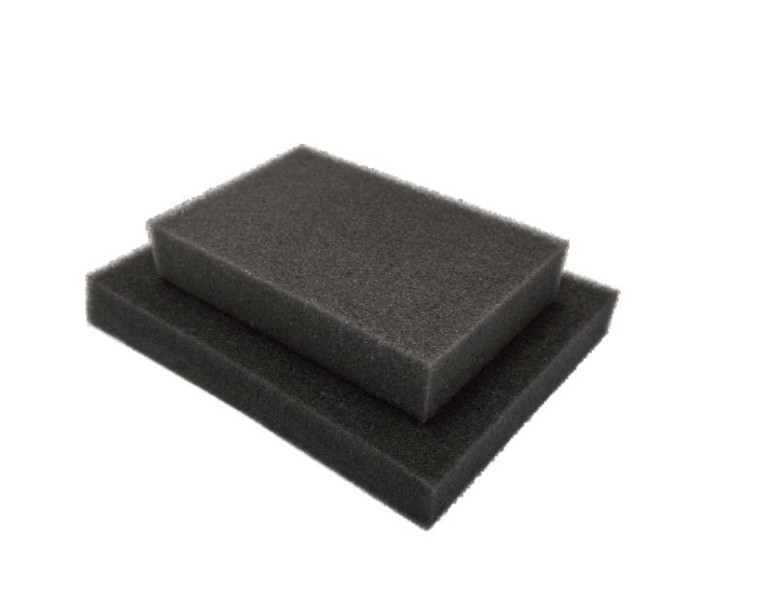
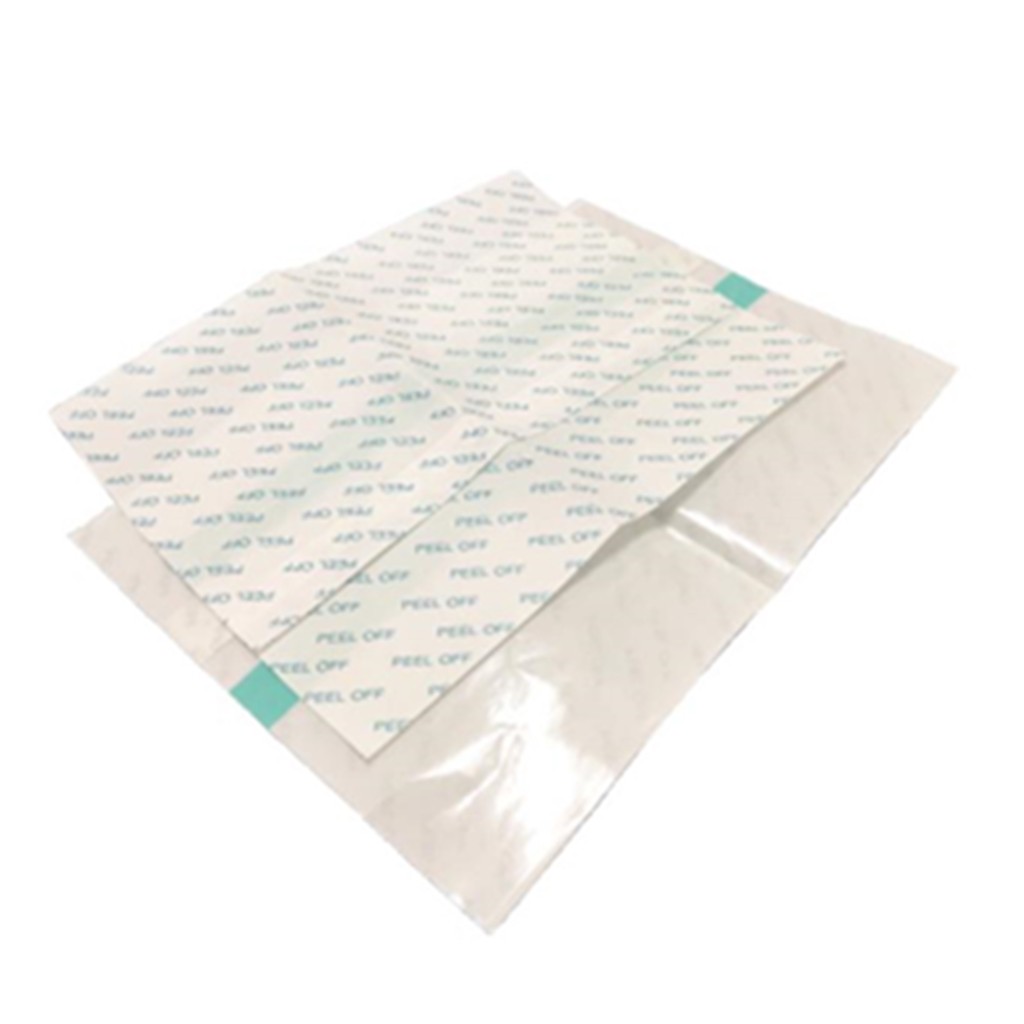
Filler and sealing film form the wound dressing assembly.
Connect the dressing to the fluid pathway.
Receives removed fluid; capacity and protective features are configuration-specific.
From fluid removal to tissue interaction.
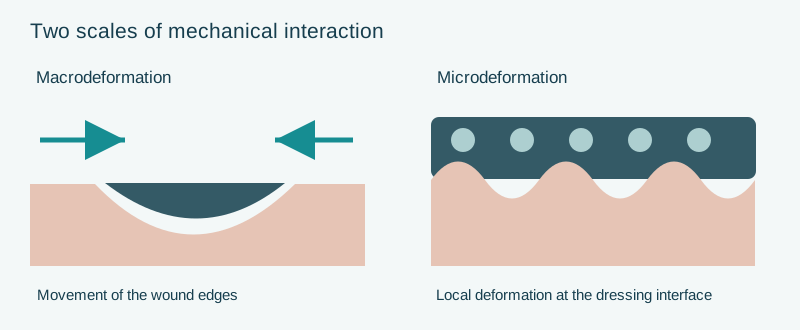
Macrodeformation & microdeformation
Experimental research describes both wound contraction at a larger scale and local tissue deformation where the dressing contacts the wound bed. The interface material influences these interactions. [2]
Fluid management & the sealed environment
The collection pathway removes wound fluid while the film forms the dressing seal. These functions are distinct from the mechanical interaction shown in the diagram. [1]
The setpoint is only part of the picture.
The supplied technical document highlights pressure delivery, leak indication and blockage monitoring. These are useful questions when assessing a system—not interchangeable specifications for every NPWT device.
Seal integrity
What information does the device provide about leaks in the dressing circuit?
Fluid pathway
How are tubing obstruction and collection capacity monitored?
Pressure sensing
Where is pressure measured, and how does the controller respond?
Therapy profile
Which modes are available on the specific model?
Continuous, intermittent and dynamic profiles
Mode names describe different pressure patterns over time. Availability and operation depend on the device; the illustration does not prescribe settings or rank clinical effectiveness.
Explore Dynamic Mode ↗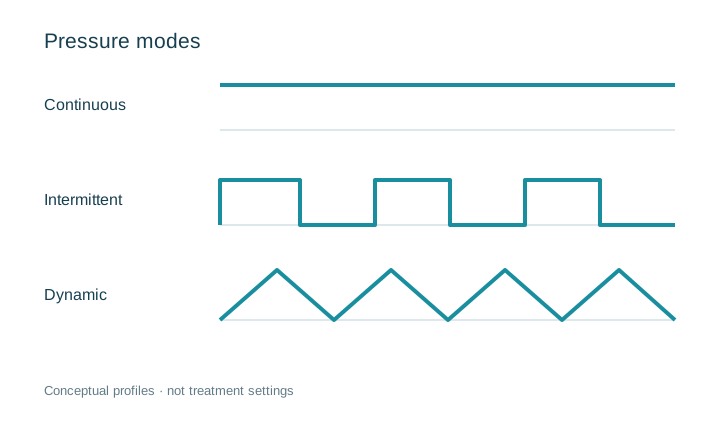
Compare the configuration—not just the name.
The reference PDF compares a dedicated portable iNPWT system with a wall-suction VSD arrangement. Here, VSD refers to that described arrangement; the term alone does not establish the capabilities of every system.
| Technical question | Dedicated portable NPWT | Wall-suction configuration |
|---|---|---|
| Pressure source | A purpose-built therapy unit. | Central suction with the selected regulator and drainage circuit. |
| Control & feedback | Assess the model's sensing, regulation and alarm functions. | Assess the complete assembly; do not infer wound-site monitoring from the source setting. |
| Mobility | Battery and carrying options may support mobility within the care plan. | Connection to a fixed source constrains where the system can operate. |
| Fluid collection | Check compatible canisters, filters and overflow protection. | Check the selected collection and protection components individually. |
| Pressure modes | Confirm the profiles supported by the specific model. | Confirm what the regulator and assembled system actually provide. |
An engineering comparison, not a claim that one configuration is clinically superior in every situation.
The interface matters, too.
The PDF also discusses foam structure and pressure transmission. Material selection should account for the intended wound interface and the complete device–dressing configuration. PU and PVA are material families, not universal performance ratings.
In this context, PU foam is the porous wound filler. PU film is the sealing layer—two different functions within the assembly.
Continue your reading.
References & scope
- FDA: Non-powered Suction Apparatus Intended for NPWT — Special Controls Guidance. Used here for general system components and compatibility; this guidance has a non-powered-device scope and does not establish approval of the products shown.
- Micro- and macromechanical effects on the wound bed of NPWT using gauze and foam. Experimental study, 2010.
Background: Shenzhen YunKe Medical, Differences between iNPWT and VSD Systems, V2019.08.01, particularly pp. 5–6 and 9–15. The engineering topics have been selected and rewritten; the document's comparative outcome, cost and absolute safety claims are not reproduced.
Educational overview for professional readers. Patient selection, pressure settings and operation follow the treating clinician's assessment and the applicable device instructions.