Operation Steps
A clear sequence.
A connected dressing system.
Follow the supplied 16-figure dressing sequence, grouped into five stages for easier reference. Continue with illustrated device connections, controls and alerts from the supplied iNPWT Quick Reference Guide.
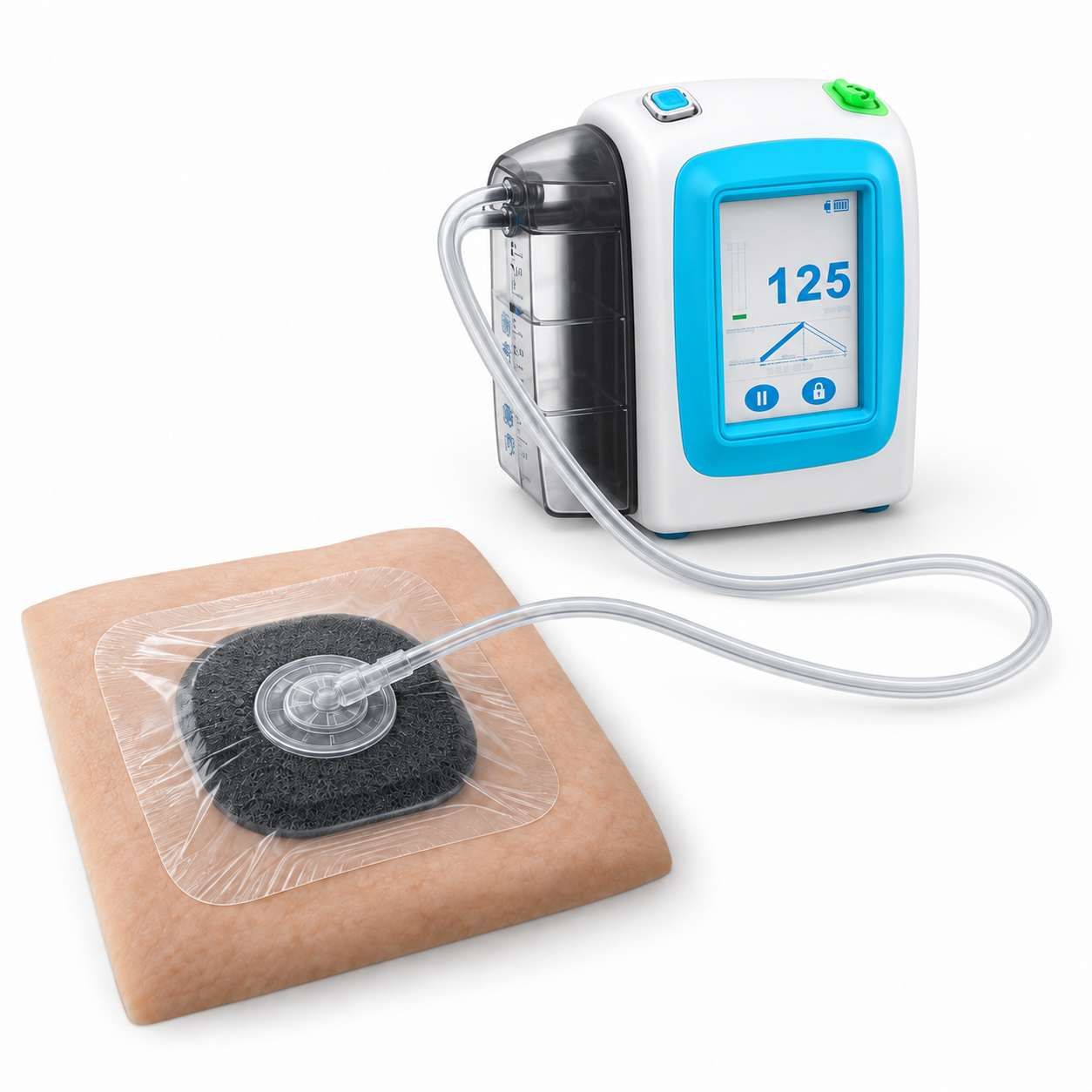
This is an illustrated overview, not a complete instructions-for-use document. Wound assessment, contraindications, component selection, sterile technique and prescribed therapy must be established before application. Use the instructions for the actual device and dressing kit.
Prepare the wound and dressing interface.
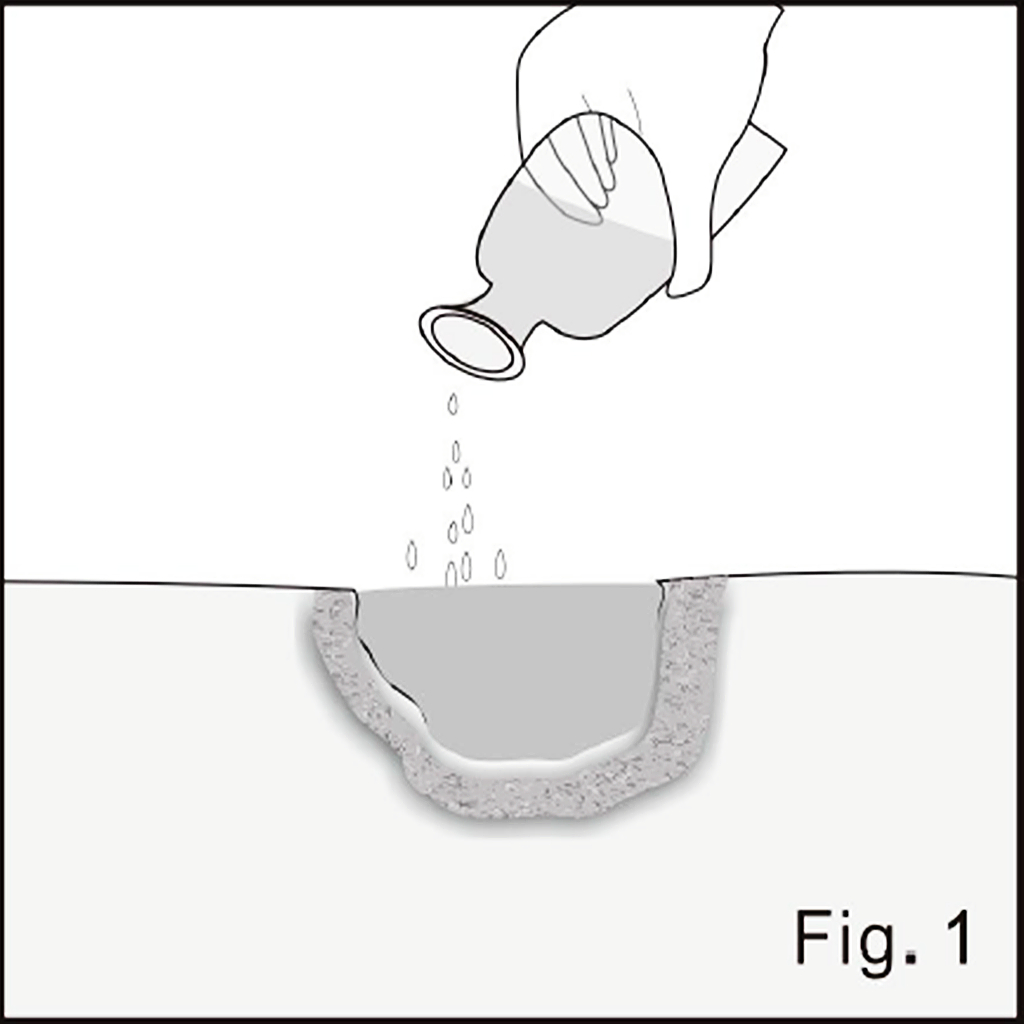
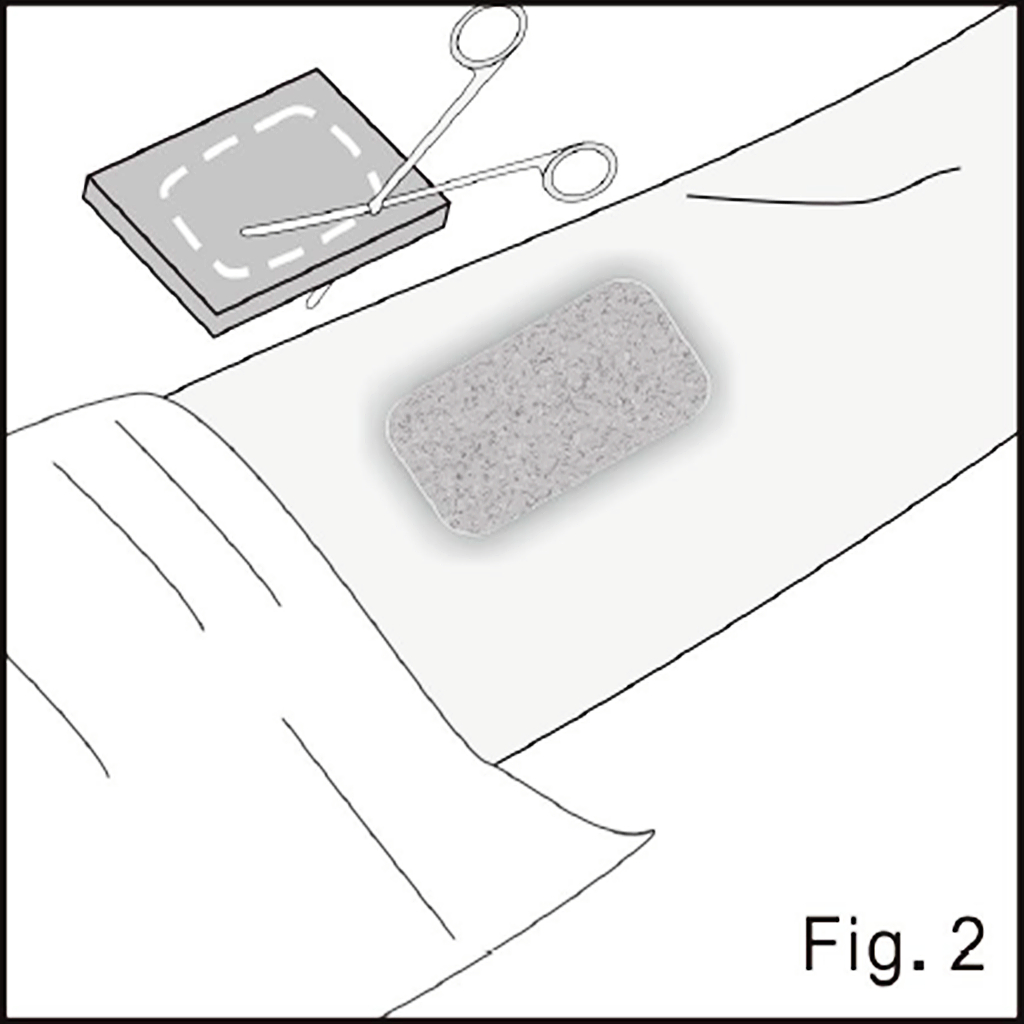
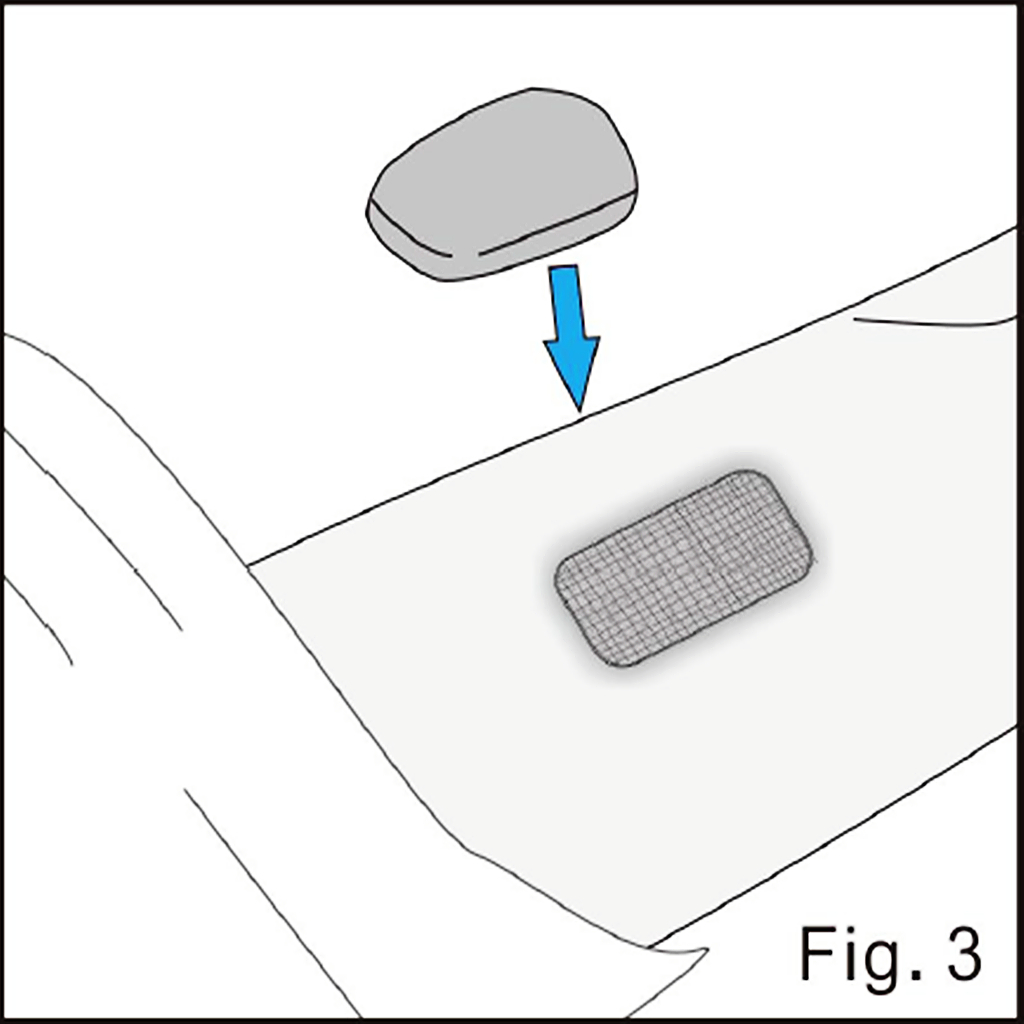
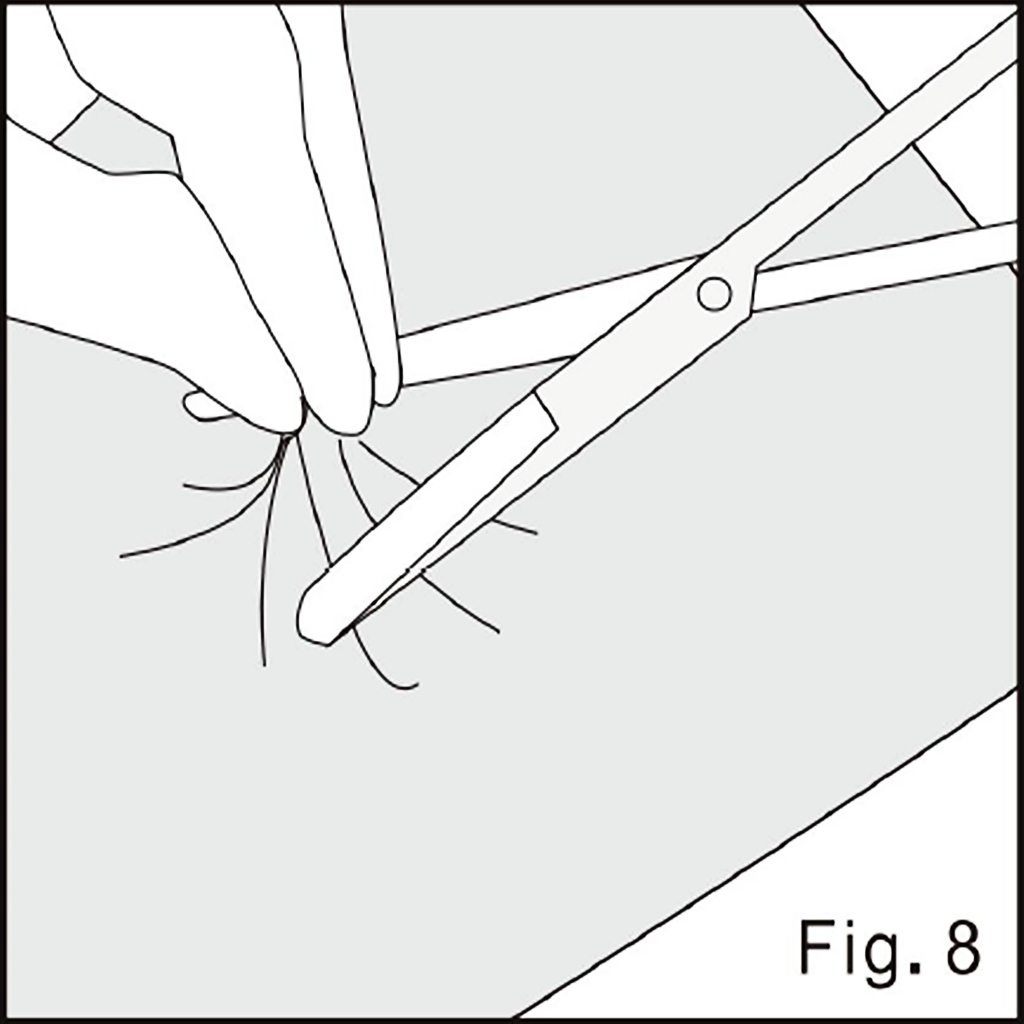
The source begins with wound preparation, followed by shaping and positioning the foam. Preparation is performed by the responsible professional. The source cautions against overpacking or placing foam into unexplored tunnels; the exact technique follows the kit instructions.
Build the film seal.
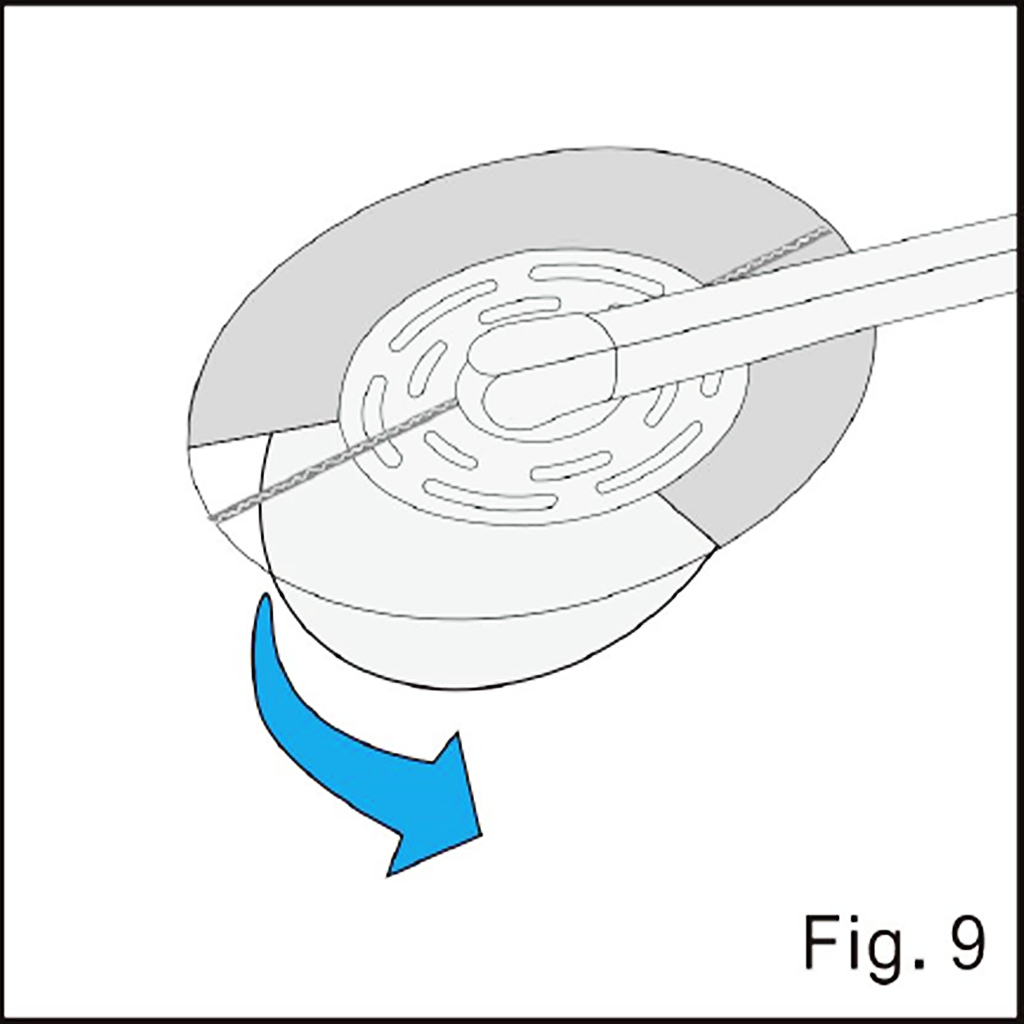
Figures 4–7 show progressive removal of the backing and upper carrier layers as the film is applied over the dressing. The numbered peel sequence belongs to the illustrated film design and should be checked against the product being used.
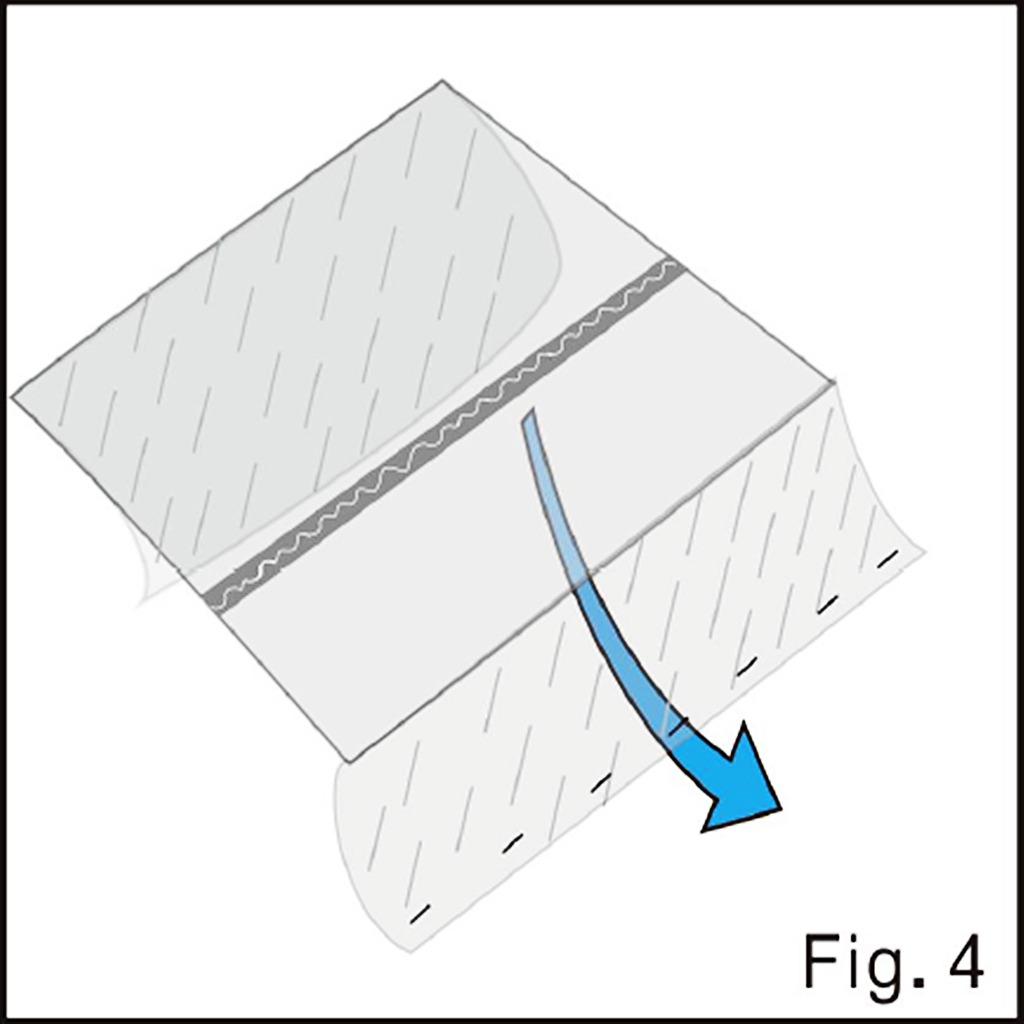
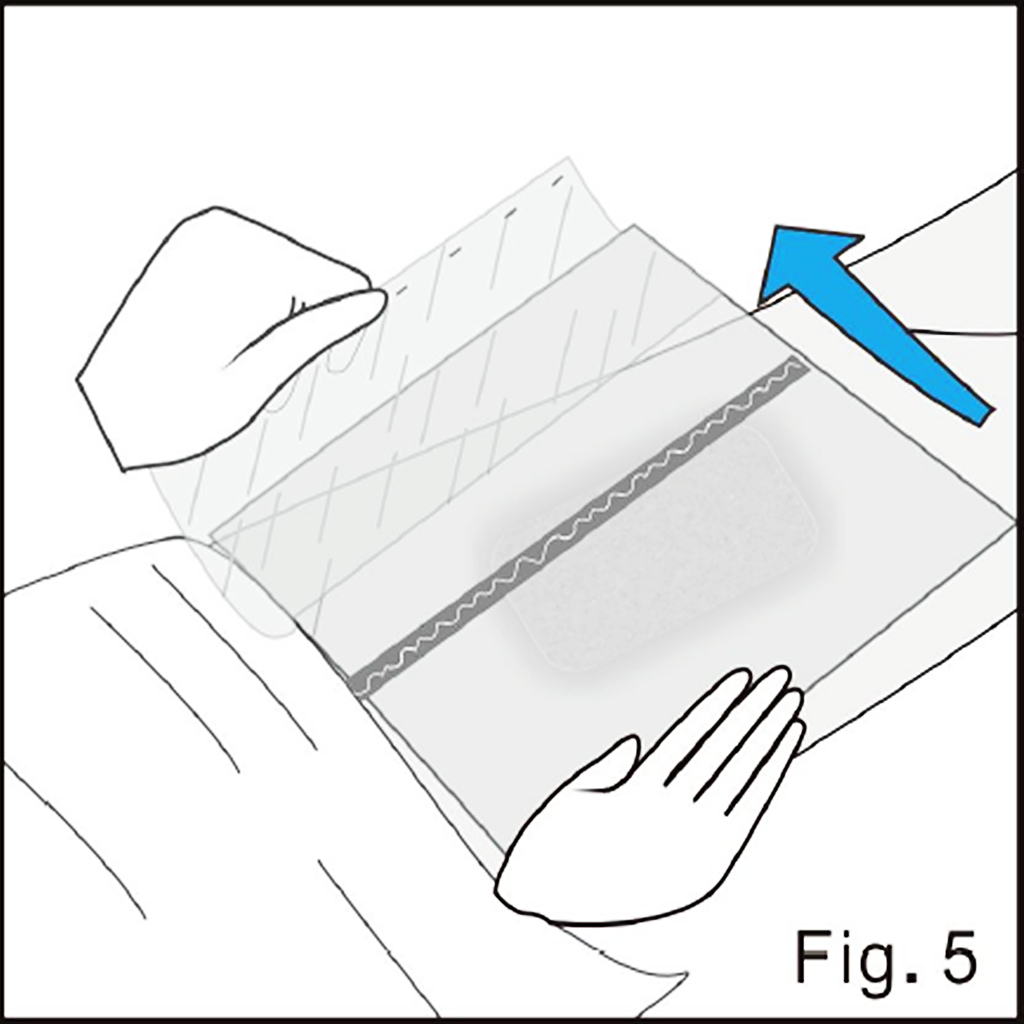
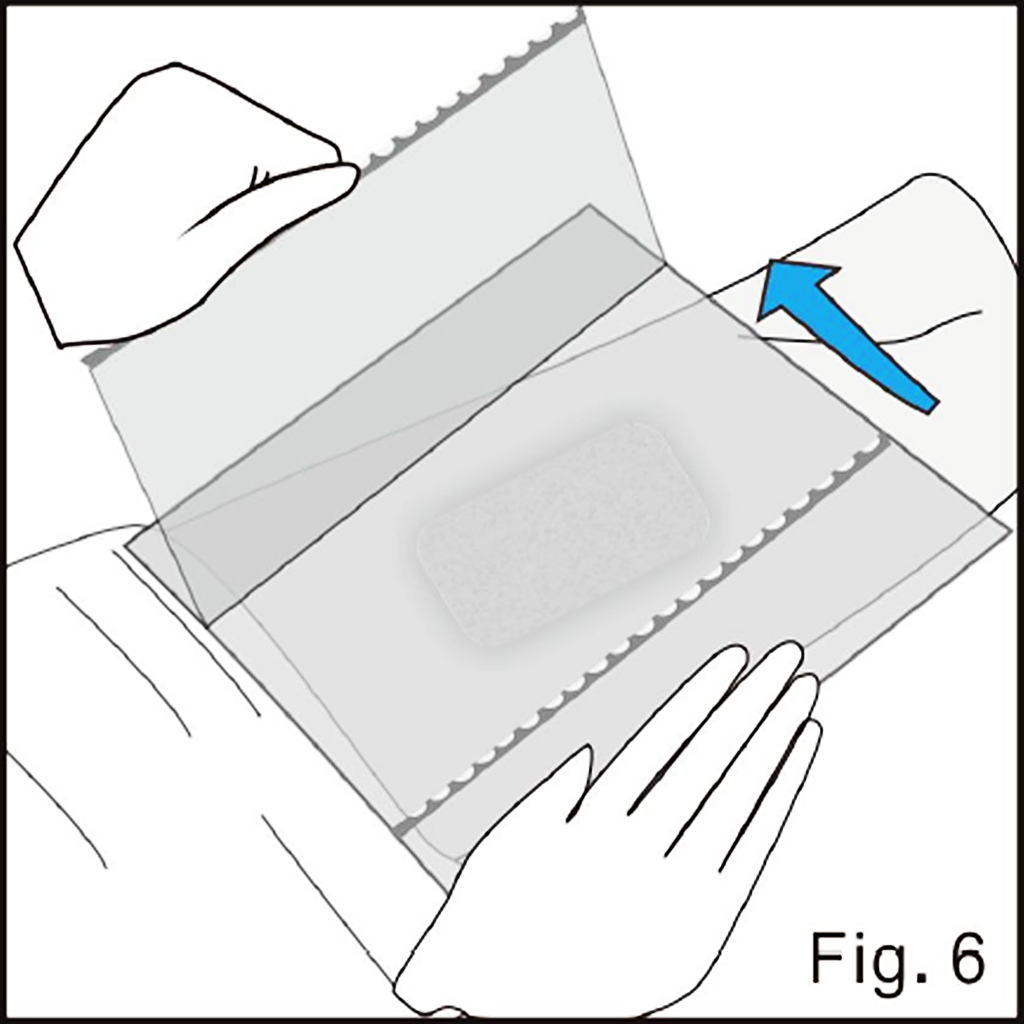
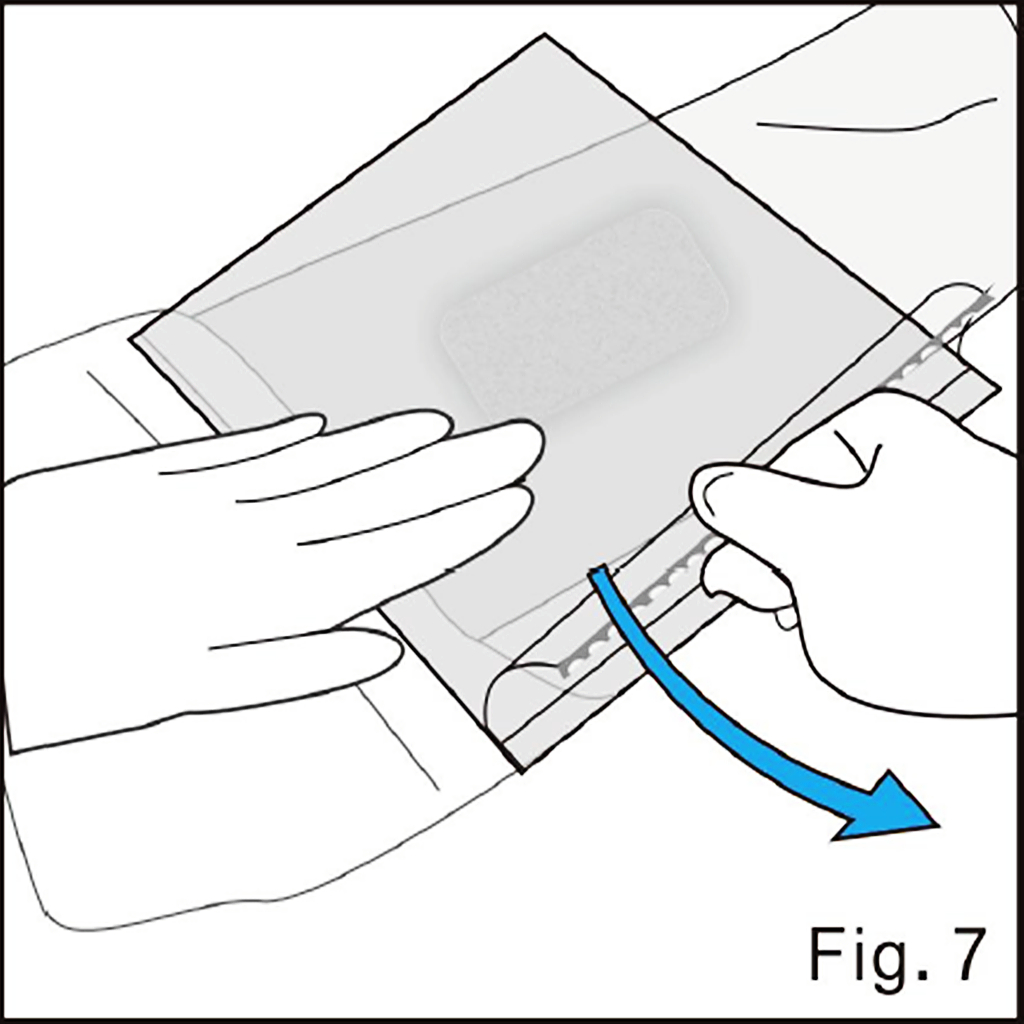
Establish the tubing-pad connection.
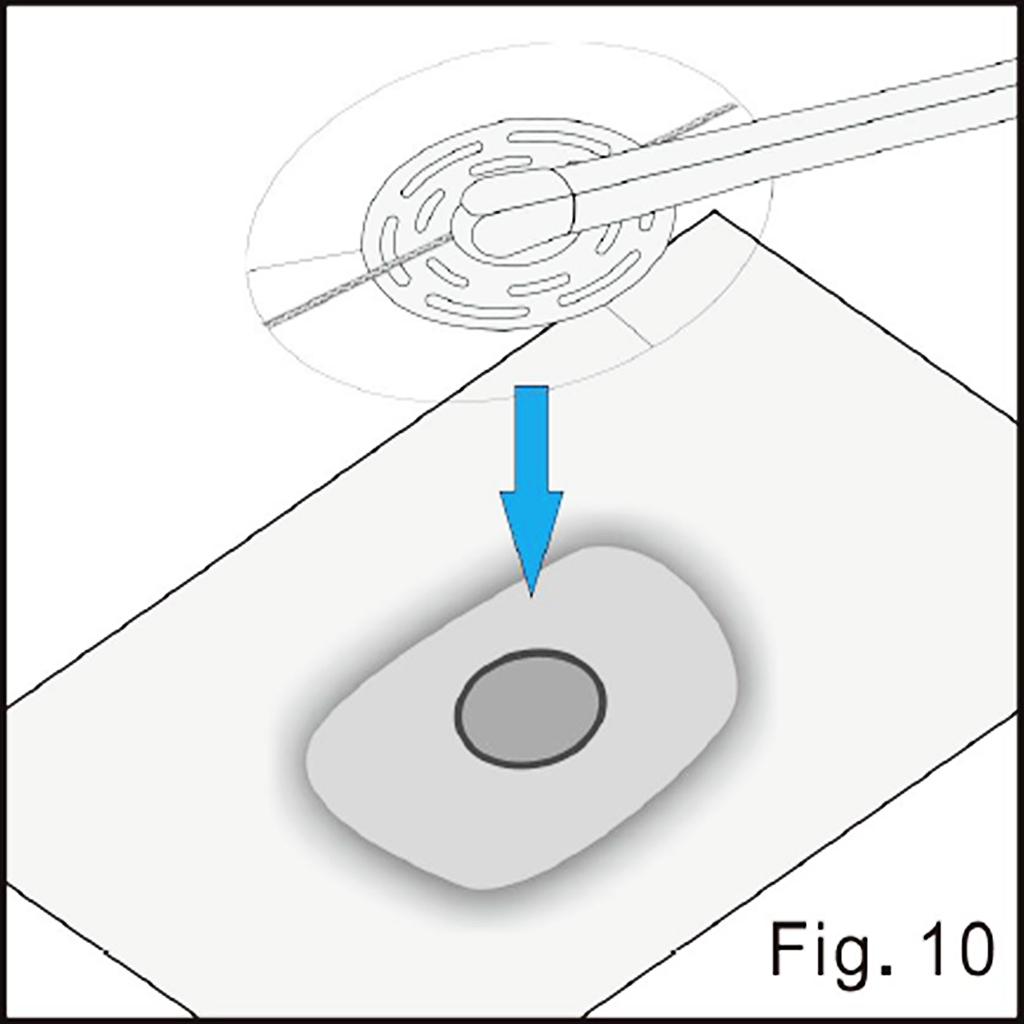
The sequence shows an opening in the film over the foam, removal of the pad backing, and alignment of the pad opening. Opening dimensions and placement must follow the corresponding kit instructions; the source dimensions are not generalized here.
Complete the pad and film assembly.
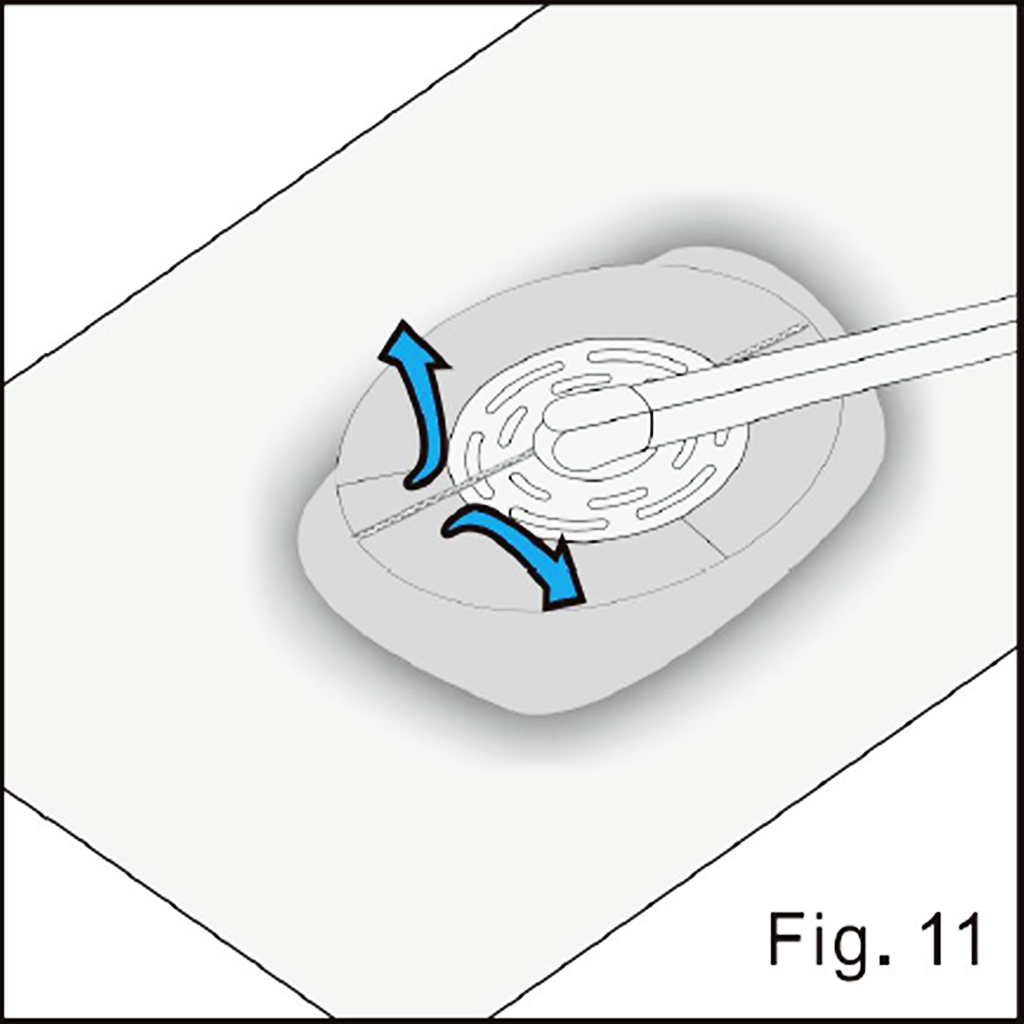
Figures 11–15 illustrate carrier removal and additional film placement around the pad. View these as successive illustrations of the referenced assembly, rather than separate dressing options.
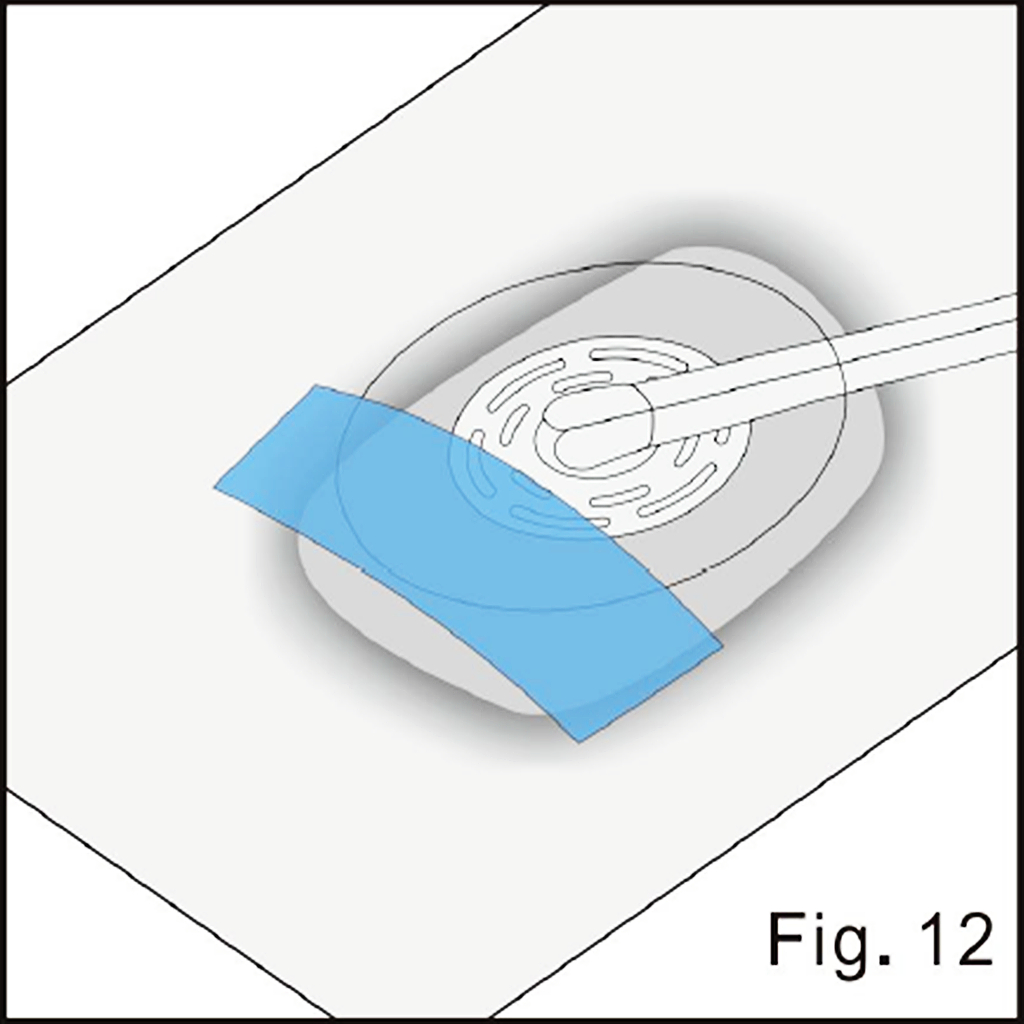
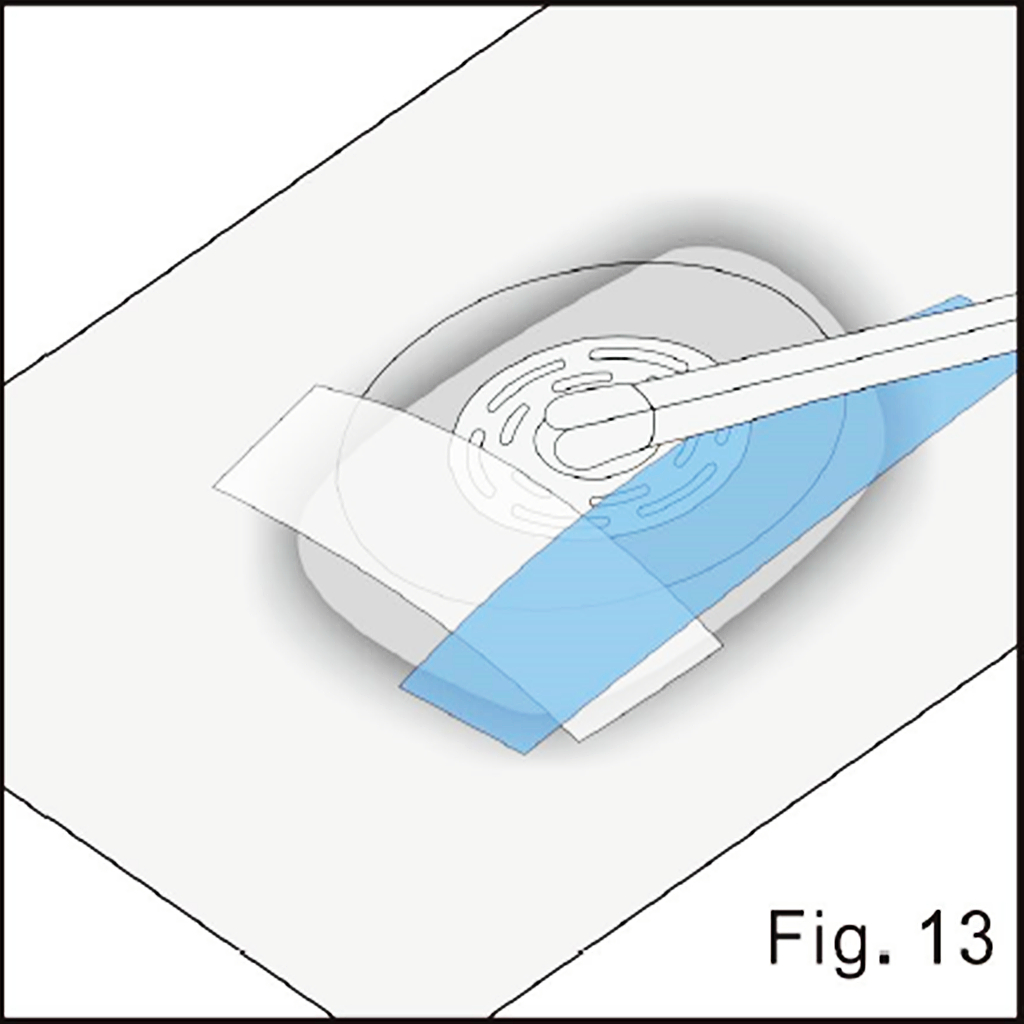
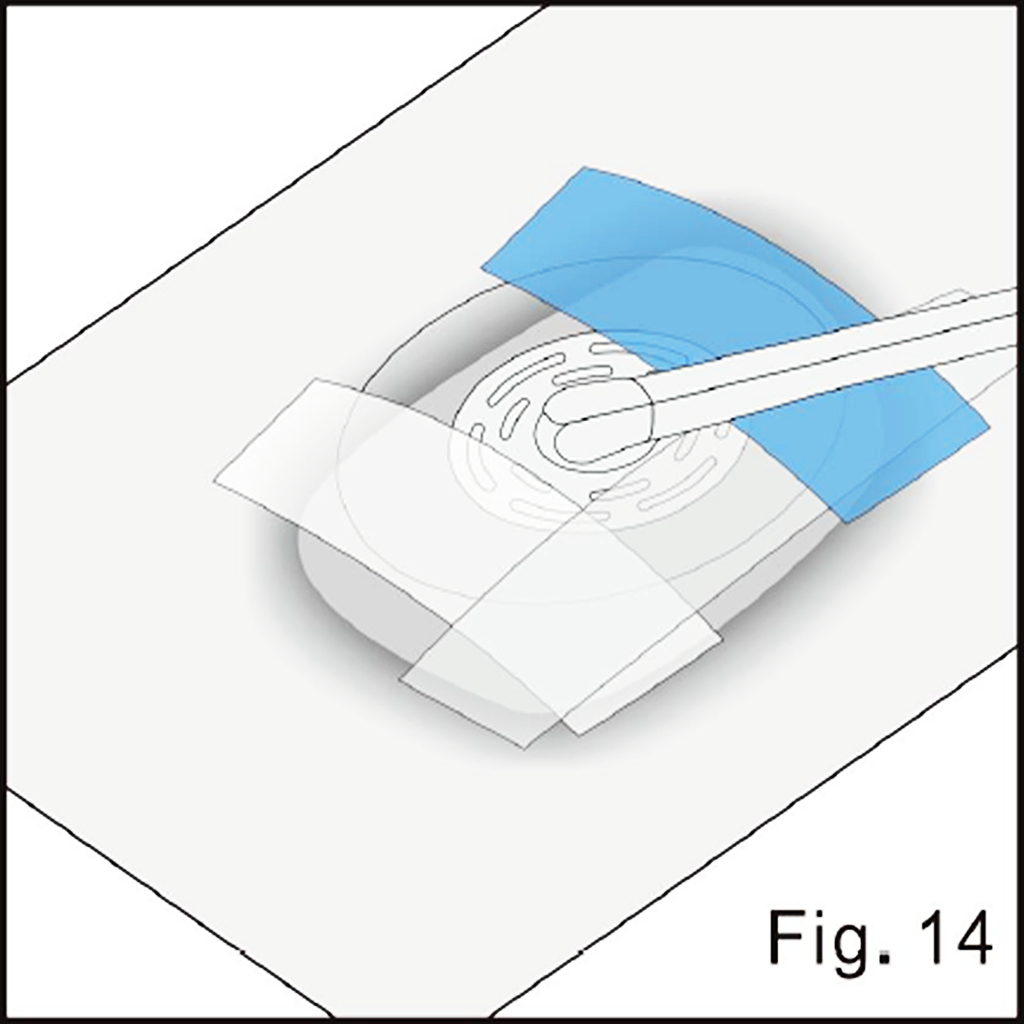
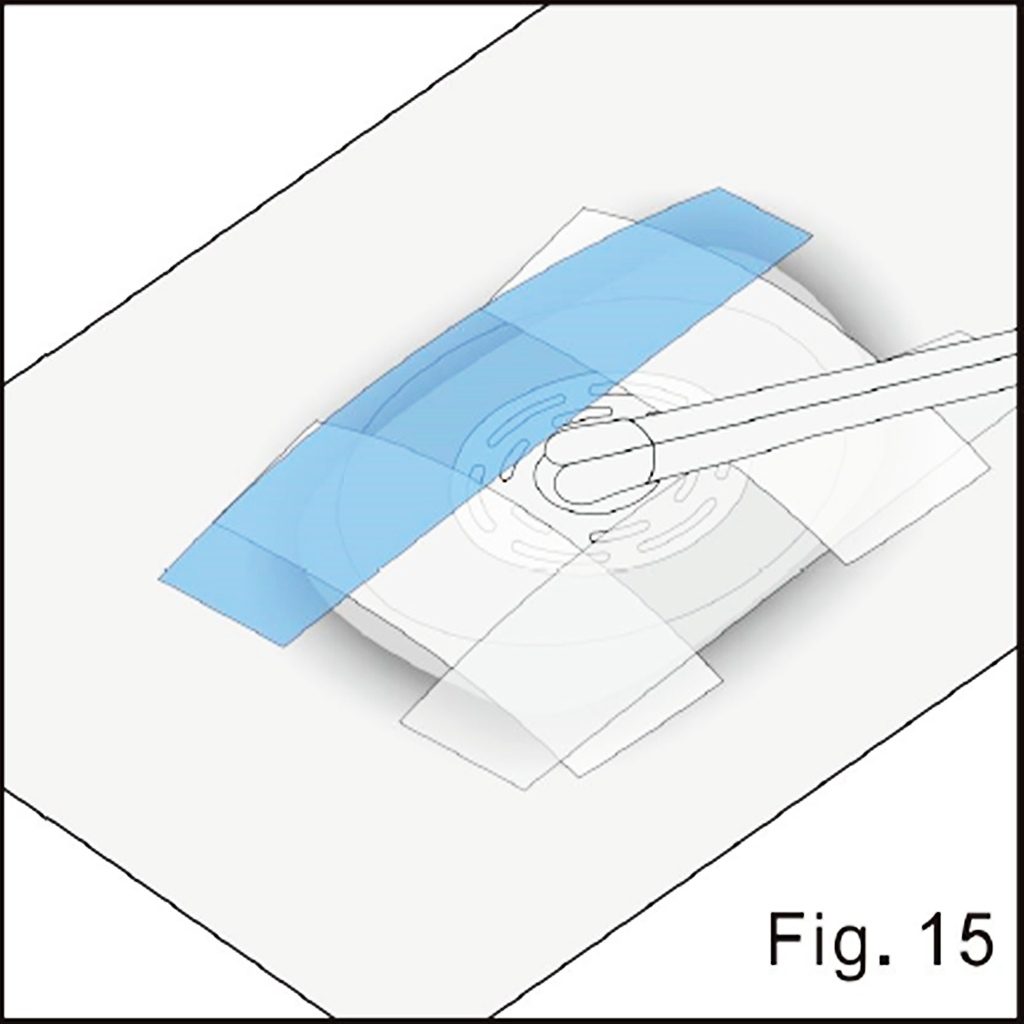
Secure the line. Confirm the complete system.
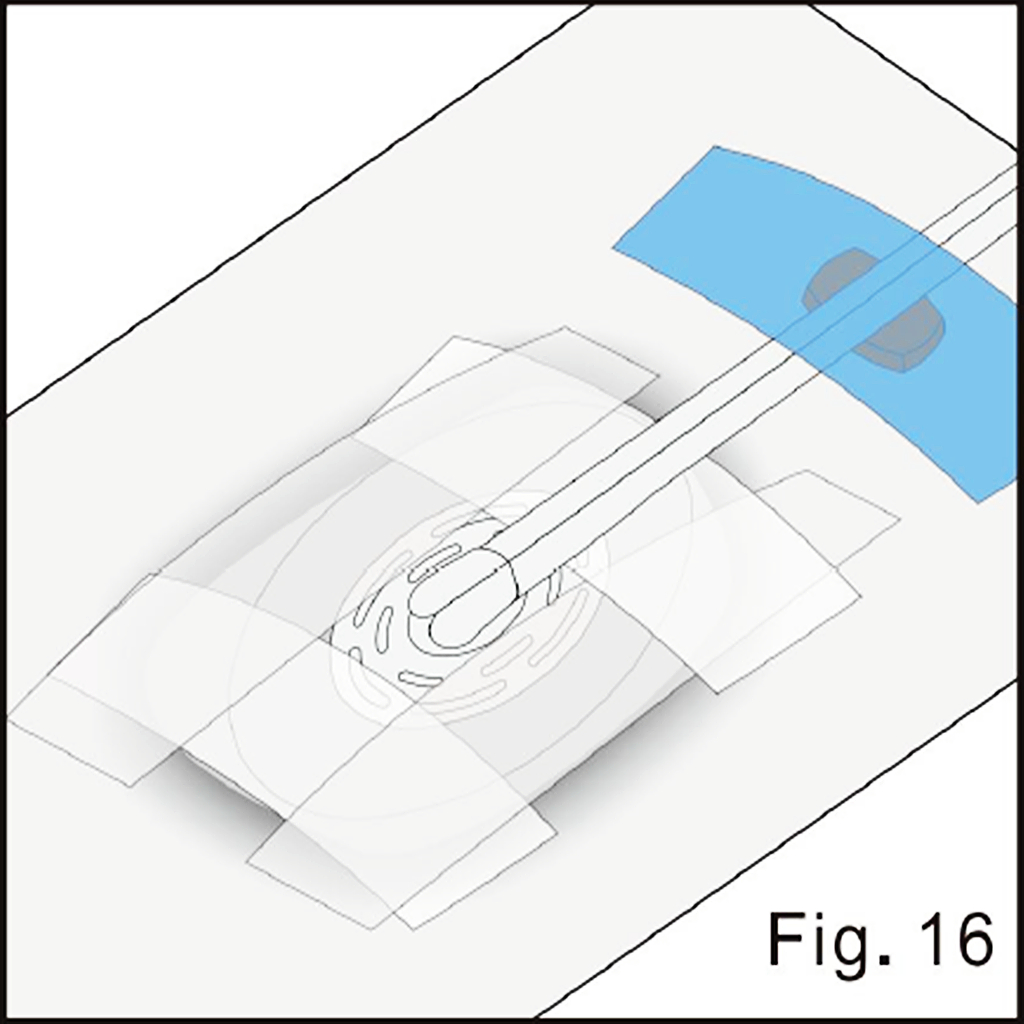
The final source illustration shows tubing fixation. The device reference below continues with connection and control illustrations from the newly supplied guide.
Continue with the device instructions
- Confirm the specified device, canister, tubing and dressing are compatible.
- Complete the prescribed connection and start-up procedure.
- Review seal status, pressure delivery and any device alerts.
- Establish the monitoring, dressing-change and escalation plan.
Pressure settings, irrigation volume, opening size and change intervals are product- and patient-specific. This page does not set those parameters.
From dressing assembly to device operation.
The supplied iNPWT Quick Reference Guide continues the workflow with connections, controls and system feedback. The illustrations below belong to the device version shown in that guide.
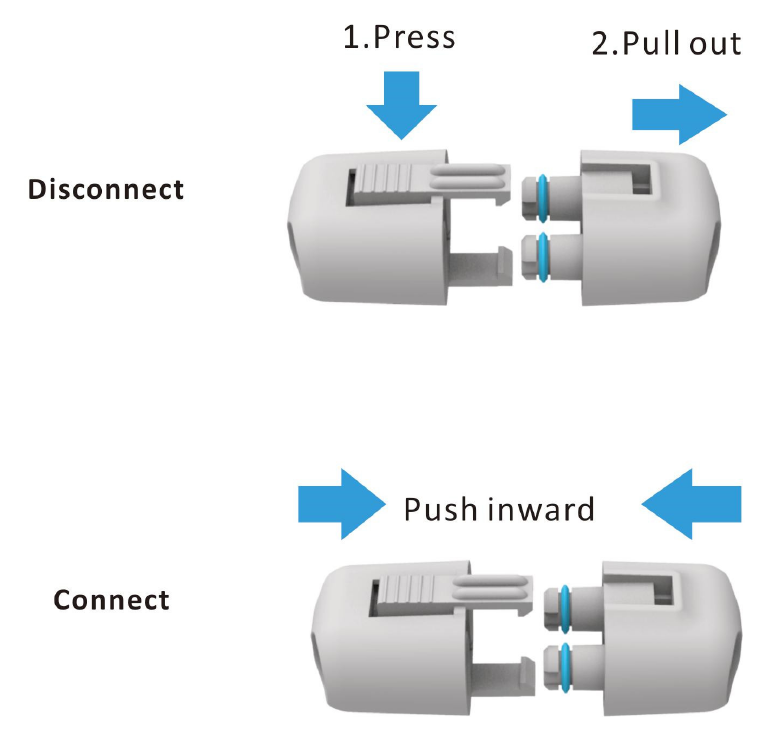
01 / Connect the fluid pathway
The guide illustrates the joint between the canister tubing and the dressing pad tubing. Check the connector design and the compatible components against the equipment in use.
View connection reference ↗02 / Review the mode and prescribed settings
The illustrated settings menu offers continuous and dynamic therapy. Mode selection is followed by the corresponding parameter screen. Settings must match the prescribed therapy and the applicable device instructions.
During treatment, the guide shows pressure, leak-rate information and the dynamic cycle where applicable. It also describes pause and screen-lock controls.
View controls and start-up ↗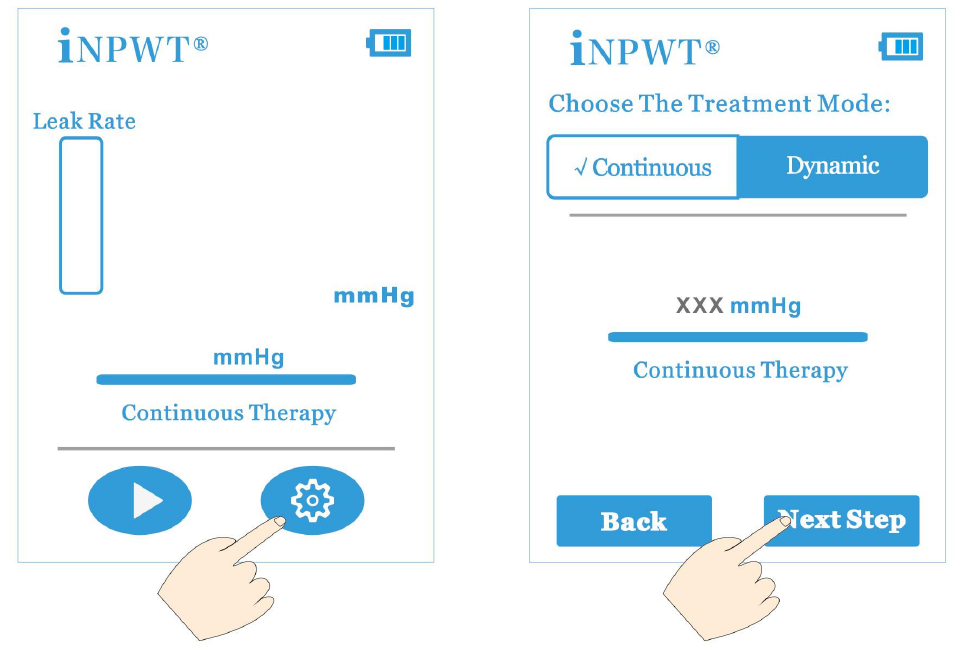
Recognize the alert. Follow the device guidance.
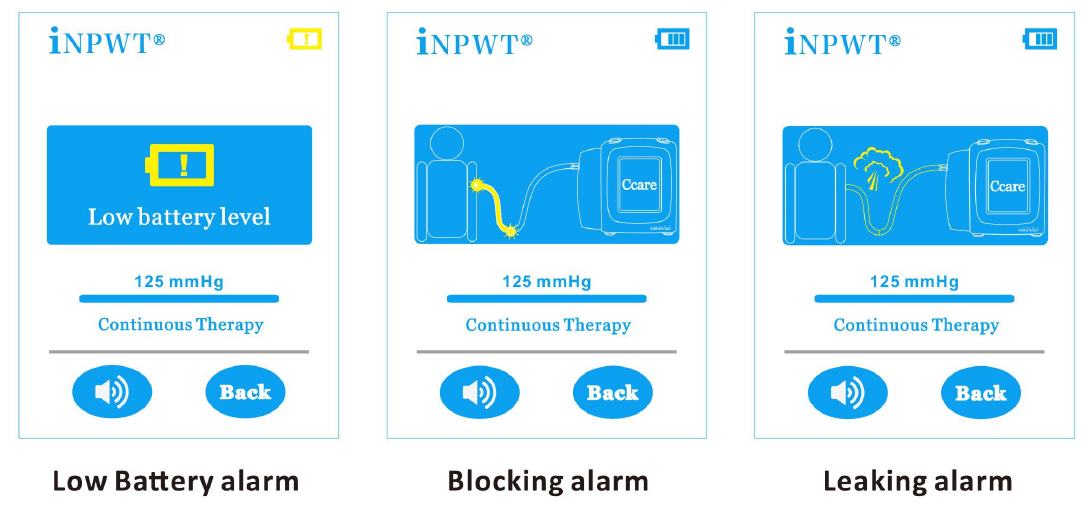
Low battery
The guide describes an alert when battery power is insufficient and external adapter power is absent.
Blocking
The guide associates this alert with a blocked pathway, a full canister or a blocked dressing.
Leaking
The guide describes an alert when significant leakage prevents the system from reaching pressure.
Use the model-specific troubleshooting procedure and the care team's escalation plan. These summaries identify the screens; they do not replace the complete alarm-response instructions.
Read alarm and status guidance ↗Keep the complete reference close.
Read the supplied iNPWT Quick Reference Guide for the original device illustrations and operating sequence. Confirm that its device version matches the equipment in use.
Open iNPWT Quick Reference Guide (PDF) ↗28 PDF pages · page references follow the updated PDF numbering. This reference is specific to the illustrated iNPWT system; it is not an NPWTi irrigation procedure.
Know which document to use.
Dressing kit instructions
Foam handling, film peel order, pad placement and the dressing assembly.
Device instructions
Connections, controls, modes, alarms, power and canister handling.
Clinical care plan
Patient suitability, prescribed therapy, monitoring and follow-up.
Source & scope
Sequence and illustrations: the supplied operation steps.docx and its 16 accompanying figures. Device illustrations: the supplied operation manual.pdf (iNPWT Quick Reference Guide), PDF pages 11, 12 and 17. Original dressing figure numbers are retained. Captions are edited for clarity; numerical instructions have not been generalized across products. Click any figure to view it at full size.
General component-compatibility context: FDA guidance for non-powered NPWT devices. Its regulatory scope is non-powered devices; it is not a regulatory claim for the products on this site.